
Understanding the Basics of Gambling A Guide for Beginners
What is Gambling?
Gambling is the act of wagering money or something of value on an event with an uncertain outcome, primarily driven by chance. It encompasses a wide range of activities, from playing casino games like poker and blackjack to betting on sports or racing. The allure of gambling often lies in the potential for financial gain, excitement, and the thrill of taking risks. For those interested in exploring options, many players find an exciting avenue through non gamstop betting sites that cater to their needs.
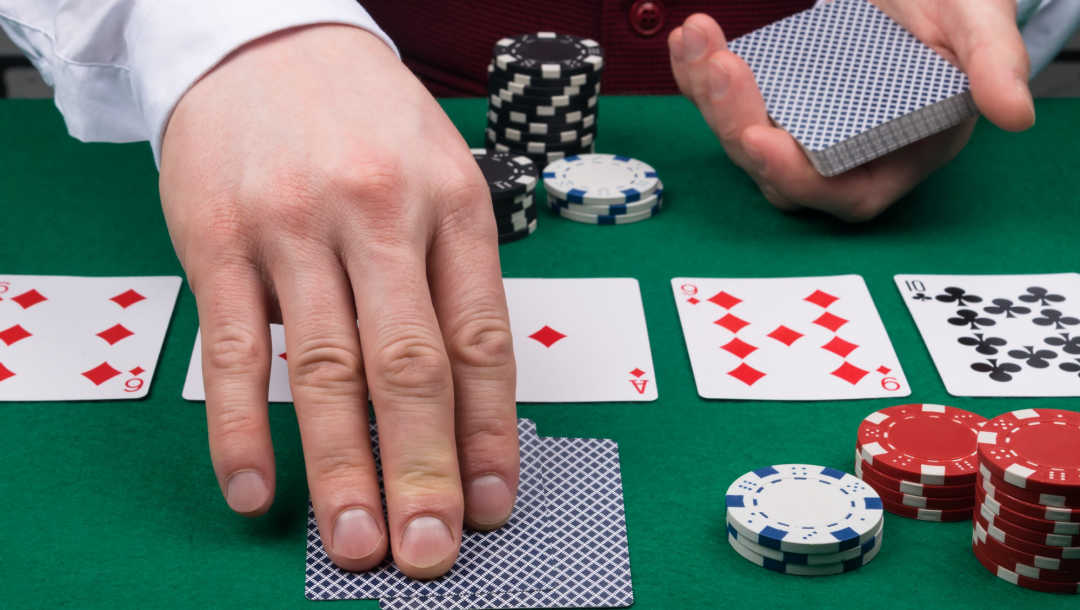
For beginners, it’s essential to understand that gambling is not merely a source of entertainment but also involves the possibility of losing money. Recognizing this fundamental aspect helps set realistic expectations and fosters responsible gaming habits. A well-informed approach to gambling can make the experience more enjoyable and reduce the likelihood of detrimental consequences.
The Different Types of Gambling
Gambling can be broadly classified into two categories: games of chance and games of skill. Games of chance, such as slot machines and roulette, rely primarily on luck. Players have little to no control over the outcomes, making these games purely about chance and randomness.
On the other hand, games of skill, like poker and sports betting, require a certain level of knowledge and strategy. In these cases, players can influence the outcome based on their decisions, research, and understanding of the game. It’s crucial for beginners to explore these categories and identify which type of gambling appeals to them most.
Understanding Odds and Payouts
Odds represent the likelihood of an event occurring and are crucial for determining potential payouts in gambling. They can be presented in various formats, including fractional, decimal, and moneyline odds. For beginners, grasping how to read and interpret these odds is essential for making informed betting decisions.
Payouts vary depending on the odds and the amount wagered. A solid understanding of odds will help players calculate their potential winnings and assess the risk associated with different bets. This knowledge equips beginners with the tools to make smarter choices and enhance their overall gambling experience.
Responsible Gambling Practices
Responsible gambling is an essential component of enjoying the experience safely. Beginners should set clear budgets and stick to them, ensuring they only wager what they can afford to lose. This practice helps prevent excessive gambling and financial strain.
In addition, understanding the signs of problem gambling is crucial. If gambling starts to negatively impact personal relationships or financial stability, it’s vital to seek help. Many organizations provide support and resources for individuals struggling with gambling-related issues, promoting a healthier relationship with the activity.

Finding the Right Gambling Platform
With numerous gambling platforms available, choosing the right one can be overwhelming for beginners. It’s essential to look for sites that are reputable, user-friendly, and offer a variety of games or betting options that align with personal preferences. Reading reviews and comparing features can help identify suitable platforms.
Additionally, ensure that the platform promotes responsible gaming practices. A good gambling site will provide information on setting limits, recognizing problem gambling, and accessing support services. By making informed choices about where to gamble, beginners can enhance their experience and enjoy their gaming journey safely.

No Comments on Understanding the Basics of Gambling A Guide for Beginners